 Save
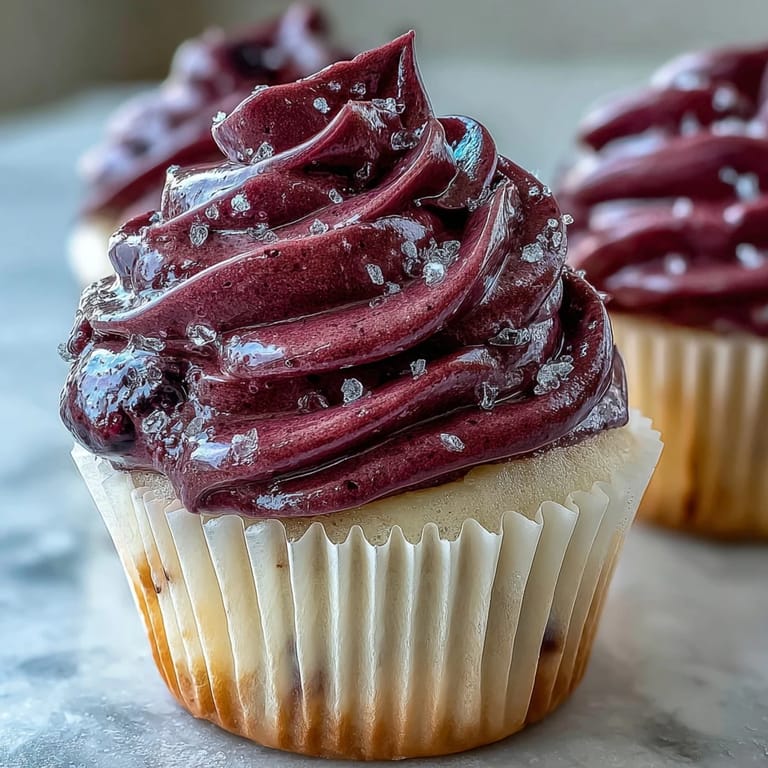
Save The first time I encountered black currant frosting, I was at a tiny bakery in Copenhagen where the display case held the most gorgeous lavender-hued cupcakes I'd ever seen. One bite revealed this extraordinary tangy-sweet cream that tasted like nothing I'd experienced before—like berries amplified, with this sophisticated edge that made me forget I was eating something essentially meant for children. I spent the next three years experimenting with different berry frostings, but nothing captured that particular magic until I finally tried black currants. Now it's become my secret weapon whenever I want a dessert that feels special without being fussy.
Last summer I made this frosting for my friend's garden party, and I swear people were hovering around the dessert table like they'd discovered gold. My neighbor Sarah, who claims she doesn't even like sweets, went back for seconds and then cornered me in the kitchen for the recipe. There's something about black currants that makes people pay attention—it's not your standard strawberry or vanilla situation. The best moment was watching my usually reserved uncle close his eyes after his first bite and simply say 'well now' in this tone of pure discovery.
Ingredients
- Black currant jam or preserves: Using jam rather than fresh berries gives you concentrated flavor without needing to cook down pounds of fruit. Seedless is ideal for that silky smooth finish that makes frosting feel luxurious.
- Unsalted butter: Make sure it's properly softened—room temperature butter is the difference between frosting that whips up creamy and frosting that stays curdled and sad.
- Powdered sugar: Sift it first. I learned this the hard way after battling tiny lumps that refused to disappear no matter how long I beat the frosting.
- Vanilla extract: It bridges the gap between the bright currant and rich butter, making everything taste cohesive rather than like competing flavors.
- Lemon juice: This optional addition is brilliant if you want even more brightness, especially if you're pairing the frosting with something rich like chocolate cake.
Tired of Takeout? 🥡
Get 10 meals you can make faster than delivery arrives. Seriously.
One email. No spam. Unsubscribe anytime.
Instructions
- Create the currant base:
- Combine the jam and water in your smallest saucepan over the lowest possible heat, stirring gently until the jam melts into this glossy, pourable syrup—about 2 to 3 minutes. Let it cool completely because hot jam will melt your butter into a sad puddle.
- Whip the butter:
- Beat that softened butter for a solid 2 to 3 minutes until it looks pale and creamy, almost like it's doubled in volume. This step is worth every second because it creates the structure that will hold everything together.
- Add the sweetness:
- Gradually pour in the sifted powdered sugar while mixing on low, otherwise you'll create a powdered sugar snowstorm across your kitchen. Scrape down the bowl and keep beating until it looks smooth and thick.
- Build the flavor:
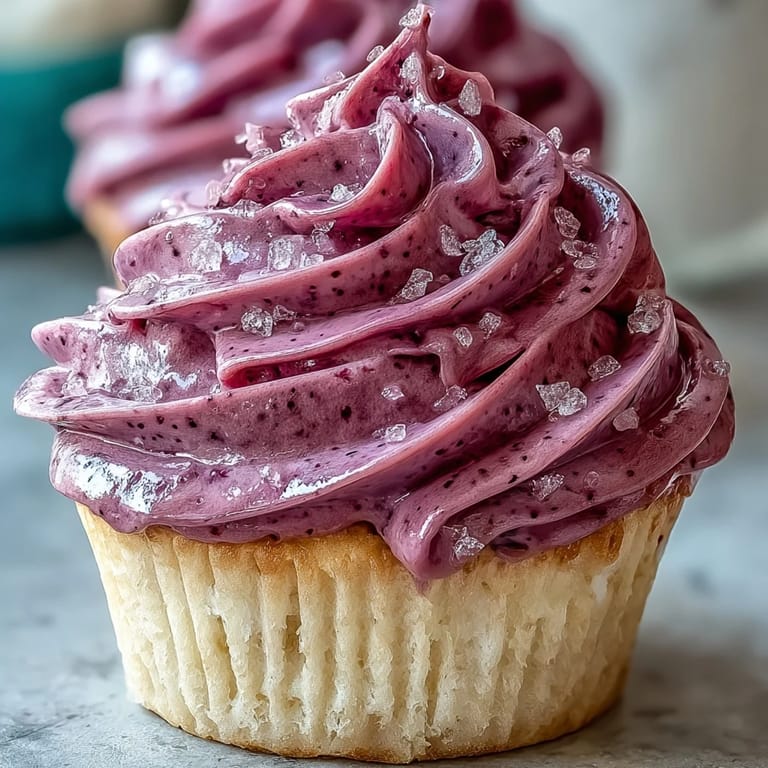
- Mix in the vanilla and salt, then pour in that cooled black currant mixture and whip until everything transforms into this gorgeous lavender-streaked cream.
- Adjust and use:
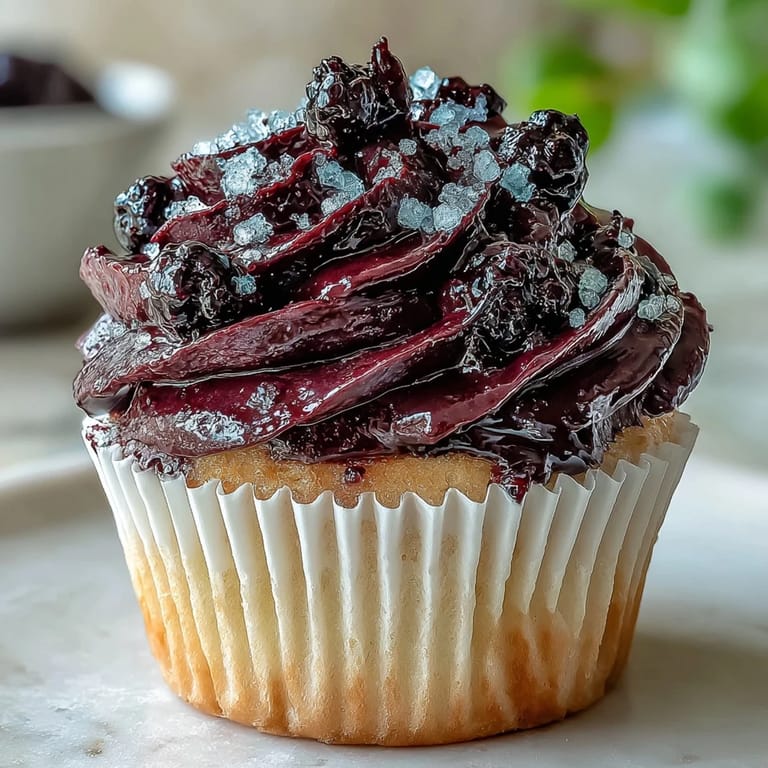
- Add lemon juice now if you're using it, then give it one final whip. If the frosting feels too soft, pop it in the fridge for 10 to 15 minutes—it firms up beautifully.
 Save
Save What I love most about this recipe is how it turned frosting from a necessary afterthought into the star of the show. My daughter now requests 'the purple frosting' for every special occasion, and I've realized that sometimes the most memorable part of a dessert isn't the cake itself but what you layer on top. There's something deeply satisfying about watching someone take that first curious bite and see their eyes light up with surprise.
Making It Ahead
This frosting keeps beautifully in the refrigerator for up to five days, though you'll want to bring it back to room temperature and re-whip it before using. The texture might look a bit curdled when it's cold, but don't panic—ten minutes on the counter and some gentle whipping brings it right back to life. I often make a double batch on Sunday and use it throughout the week for everything from morning toast to emergency dessert cravings.
Perfect Pairings
While this frosting shines on classic vanilla cupcakes, I've discovered some unexpectedly perfect combinations. Chocolate cake creates this sophisticated mocha-berry situation that feels very grown-up, while lemon pound cake lets the currant's tangy notes really sing. My personal obsession is spreading it on warm scones—the contrast between the heat and that cool, creamy purple topping is absolutely worth the five minutes it takes to assemble.
Getting The Consistency Right
After years of too-stiff or too-runny frosting disasters, I've learned that frosting consistency is surprisingly personal. Some people love that stuff that stands up in proud peaks, while others prefer something that cascades down the sides of a cake like fond dreams. Trust your preference—if you want it stiffer, add more powdered sugar a tablespoon at a time. For a looser, glaze-like consistency, a tiny splash of cream or milk works wonders.
- If you're piping detailed decorations, go for the stiffer side—they'll hold their shape better
- For spreading on sheet cakes, slightly softer frosting is more forgiving and looks more rustic
- Always test consistency by lifting your beater—the frosting should hold its shape without being stiff
 Save
Save There's something genuinely joyful about frosting that looks this stunning and tastes this alive—like you've discovered a secret that makes everything better. I hope this recipe becomes one of those things you turn to whenever you want to make something ordinary feel absolutely extraordinary.
Questions & Answers
- → Can I use fresh black currants instead of jam?
Fresh black currants require cooking down with sugar to create a reduction similar to jam consistency. This adds significant preparation time. Using seedless black currant jam or preserves provides the concentrated flavor needed without the extra step of reducing fresh berries.
- → How do I achieve the right consistency?
The frosting should hold soft peaks when beaters are lifted. If too soft, add more sifted powdered sugar one tablespoon at a time. If too stiff, incorporate milk or cream one teaspoon at a time until you reach the desired spreading consistency. Chill for 10-15 minutes if the butter becomes too warm during mixing.
- → What cakes pair best with this frosting?
The tangy black currant flavor complements vanilla, lemon, almond, and chocolate bases exceptionally well. It balances sweeter cake varieties and adds sophistication to simple sponge cakes. The bright berry flavor also works beautifully with coconut or cream cheese-filled layers.
- → Can I make this frosting in advance?
Yes, prepare this frosting up to five days ahead and refrigerate in an airtight container. Bring to room temperature for 30-60 minutes before using, then re-whip with an electric mixer to restore creamy texture. The flavors actually develop and meld better after resting overnight.
- → Why is my frosting curdled or separated?
This typically happens when ingredients are at different temperatures. Ensure the black currant reduction has cooled completely before adding to the butter mixture. If separation occurs, place the bowl over warm water for 10-15 seconds while beating, then continue mixing until smooth and emulsified again.
- → Can I substitute the butter?
For a dairy-free version, use high-quality vegan butter sticks rather than tub margarine. The texture and stability will be similar. Cream cheese can replace half the butter for a tangier variation, though this produces a softer frosting best suited for spreading rather than piping detailed decorations.