 Save
Save Last spring, my neighbor casually mentioned she'd been foraging dandelions from her yard, and something about the word 'edible flowers' lodged itself in my brain. That weekend, I found myself standing in my kitchen with a handful of golden petals, wondering what on earth to do with them. Scones seemed like the obvious answer—something warm, something special, something that would make the effort worthwhile. The honey came next, drizzled in almost by accident, and suddenly I was baking something that tasted like spring itself, like golden afternoon light on a plate.
I made these for my sister's birthday brunch last May, and there's a particular memory that sticks with me: watching her take that first bite, her eyes going wide, then laughing because she couldn't quite name what she was tasting. That's when I knew the dandelions had worked their quiet magic. Everyone asked for the recipe, and half of them didn't believe me when I said it was made with weeds from the yard.
Ingredients
- All-purpose flour (2 cups): This is your foundation—it needs to be cold and ready to work with butter, so don't sift it unless you like dense scones.
- Granulated sugar (1/4 cup): Just enough sweetness to let the honey and dandelions shine; any more and you'll overshadow the delicate flavors.
- Baking powder (1 tbsp): The magic lift that turns a dough into something light and tender—don't skip it or substitute it.
- Fine sea salt (1/2 tsp): This sounds small, but it deepens everything and prevents the scones from tasting flat.
- Unsalted butter, cold and cubed (1/2 cup): Cold is the operative word here—if your butter is soft, your scones will be heavy instead of flaky.
- Whole milk, cold (2/3 cup): The temperature matters because you want the butter to stay in distinct little pockets as the scones bake.
- Dandelion petals, fresh and pesticide-free (2 tbsp for the dough, plus 2 tbsp for garnish): Use only the yellow parts—the green parts taste bitter and will ruin the whole thing, trust me on this.
- Honey (2 tbsp for the dough, plus 1 tbsp for drizzling): Raw honey tastes better here, with its own subtle floral notes that echo the dandelions.
- Large egg (1): This binds everything together and gives you that gorgeous golden color as they bake.
- Clotted cream (for serving): If you can't find it, whipped cream works, but clotted cream's richness is what makes this feel special.
Tired of Takeout? 🥡
Get 10 meals you can make faster than delivery arrives. Seriously.
One email. No spam. Unsubscribe anytime.
Instructions
- Set your oven and prep your workspace:
- Preheat to 400°F and line a baking sheet with parchment paper—this prevents the scones from sticking and lets them brown evenly on the bottom. Having everything ready means you can move quickly once the wet and dry ingredients meet.
- Build your dry base:
- Whisk together flour, sugar, baking powder, and salt in a large bowl, making sure the baking powder gets distributed evenly. This is where you catch any lumps before they become problems.
- Cut in the cold butter:
- Using a pastry cutter or your fingertips, work the cold butter into the flour mixture until it looks like coarse breadcrumbs—some slightly larger pieces are actually good because they create layers. If your fingers get warm, it's fine; just work quickly and don't stress about perfection.
- Combine your wet ingredients:
- In a separate bowl, whisk together cold milk, honey, egg, and the 2 tablespoons of dandelion petals until the petals are loosely distributed. You'll notice how quickly the petals stain the milk a pale golden color—that's exactly what you want.
- Bring it together gently:
- Pour the wet mixture into the dry ingredients and stir with a fork until just combined—the dough will look shaggy and imperfect, and that's perfect. Stop stirring as soon as you don't see dry flour; overmixing toughens the scones, and you want them tender.
- Shape your scones:
- Turn the dough onto a lightly floured surface and gently pat it into a 1-inch-thick round without kneading it—think of it as coaxing, not forcing. Cut into 8 wedges like a pizza and transfer them to your prepared baking sheet, spacing them a couple inches apart.
- Bake until golden:
- Bake for 16 to 18 minutes, until the scones are puffed and golden brown on top—they'll smell incredible, like honey and spring. They'll continue to cook slightly as they cool, so don't overbake them or they'll dry out.
- Finish with flourish:
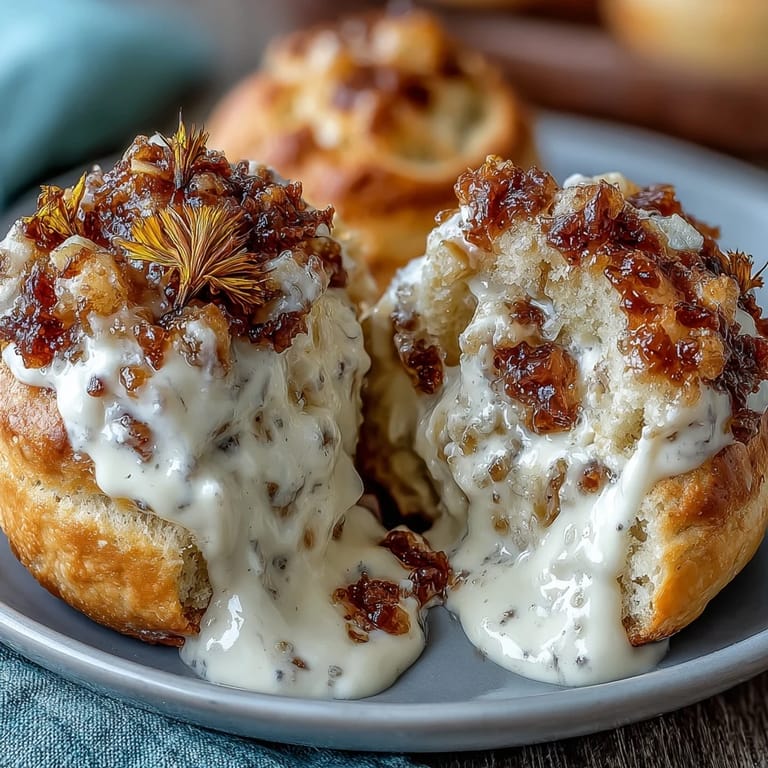
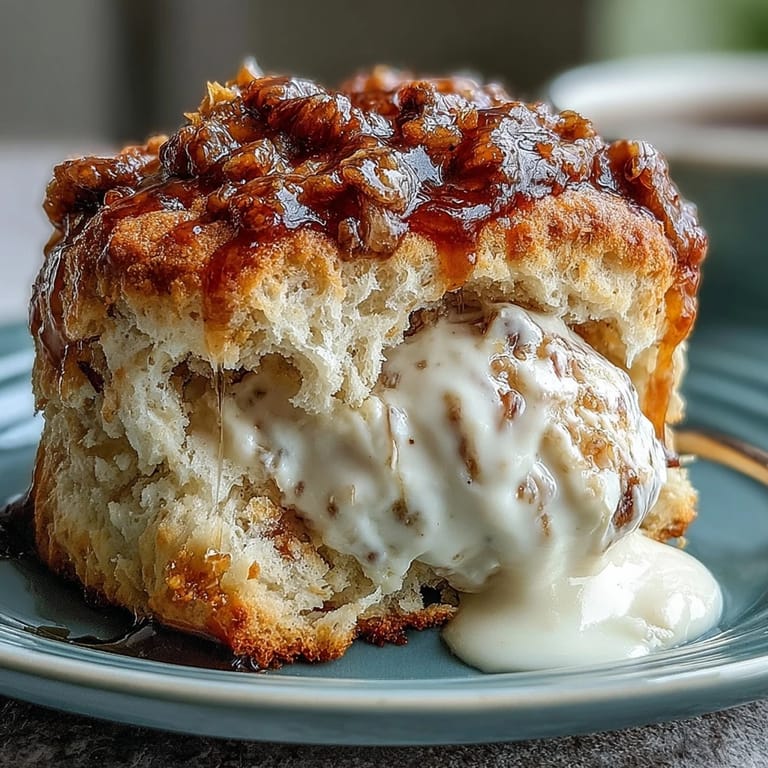
- While still warm, drizzle with the remaining tablespoon of honey and sprinkle the reserved dandelion petals on top. Serve them barely cooled with generous dollops of clotted cream and maybe more honey if you're feeling indulgent.
 Save
Save There's something about serving warm scones to people that makes you feel like you've created a small moment of luxury in the middle of an ordinary day. It's the kind of recipe that reminds you why you cook—not to impress, but to give people something warm and unexpected to share.
Sourcing Your Dandelions
The first time I made these, I actually bought dandelion petals online because I wasn't sure if my yard was pesticide-free—a completely reasonable fear. But then a friend mentioned her parents' garden, and suddenly I realized dandelions grow practically everywhere if you look for them in the right places. Spring parks, untreated gardens, the edges of farmland—they're there, bright yellow and free, just waiting. You want flowers that have fully opened during the day and haven't been sprayed with anything stronger than water.
Making These Scones Ahead
These are genuinely best eaten the day they're baked, still warm from the oven with the honey and petals still glistening. If you need to plan ahead, you can mix the dry ingredients the night before and refrigerate them, then add the wet ingredients and bake the next morning. Once baked, they'll stay fresh for maybe a day in an airtight container, but the texture won't have that same tender, cloud-like quality.
Variations and Substitutions
The beauty of this recipe is how flexible it actually is—other edible flowers work too, like violets or pansies, though they'll taste slightly different. You can also lean more into the honey flavor by adding a half teaspoon of vanilla extract to the wet ingredients, or try a touch of lemon zest if you want brightness instead of floral notes. If clotted cream feels too rich, whipped cream works, or even a drizzle of extra honey on its own if you're keeping things simple.
- Substitute the dandelion petals with an equal amount of candied violets or fresh rose petals for a different floral direction.
- If you can't find or don't want clotted cream, mascarpone mixed with a pinch of honey makes a lovely substitute.
- These pair beautifully with a delicate white tea or a light sparkling wine if you're making them for a special brunch.
 Save
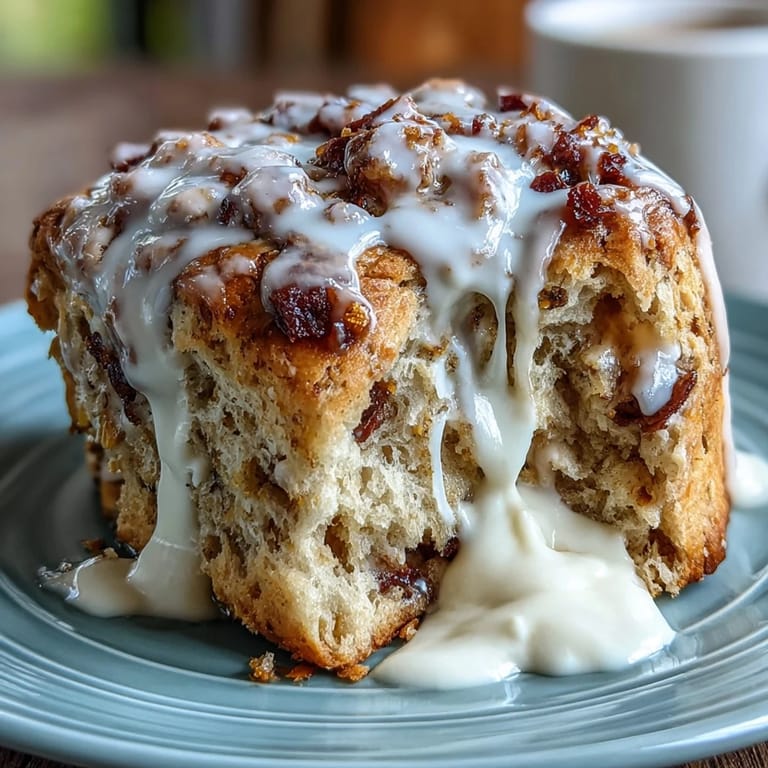
Save These scones remind me that the best recipes are the ones that make you taste the season—that capture a moment and make it edible. I hope they do that for you too.
Questions & Answers
- → What is the best way to incorporate dandelion petals?
Use fresh, pesticide-free yellow petals only. Gently fold them into the wet ingredients to preserve their delicate flavor and avoid bitterness.
- → Can I substitute clotted cream?
Yes, whipped cream or mascarpone cheese work well as creamy alternatives to accompany the scones.
- → How do I achieve a tender texture?
Cut cold butter into the dry ingredients until the mixture resembles coarse crumbs, then avoid overmixing when adding wet ingredients.
- → What type of honey works best?
A mild, floral honey complements the dandelion petals without overpowering their subtle flavor.
- → How should the scones be served?
Serve warm, drizzled with honey and topped with clotted cream for the best flavor experience.