 Save
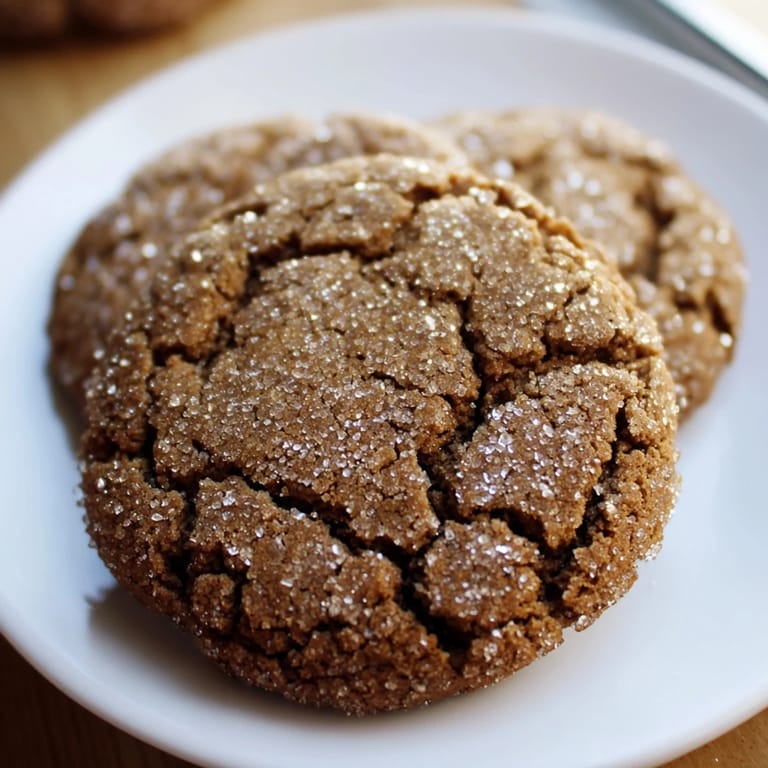
Save My neighbor caught me mid-sip of coffee one December morning, the kitchen still dark except for the oven light. She'd smelled molasses from three houses down and came over convinced something was burning. It wasn't—it was these cookies, the kind that fill your home with that particular scent of cinnamon and ginger that makes you feel like the holidays started whether you planned it or not. She left with half a batch and the recipe scrawled on the back of a grocery list, which felt like the highest compliment.
I made these once when my sister was going through a rough week, just quietly baking them while she sat at the kitchen table working through her laptop. By the time they cooled, she'd stopped typing and was just watching me dust them with sugar, asking what smelled so good. Sometimes food isn't really about the food—it's just about being together while something warm happens in the oven.
Ingredients
- All-purpose flour (2 1/4 cups): The structure that holds everything together, nothing fancy needed here.
- Ground ginger (2 teaspoons): This is the star—use fresh ground if you can, it makes a noticeable difference in brightness.
- Ground cinnamon (1 teaspoon): The warm backbone, familiar and grounding.
- Ground cloves (1/2 teaspoon): Just enough to whisper something spicy without announcing itself.
- Ground nutmeg (1/4 teaspoon): A pinch of earthiness that rounds out the whole spice profile.
- Baking soda (2 teaspoons): Your leavening agent, keeps cookies from being hockey pucks.
- Salt (1/2 teaspoon): Always include this even though it seems small—it's what makes everything taste like itself.
- Unsalted butter (3/4 cup), softened: Should be soft enough that your finger leaves an impression but not melting, this is where texture begins.
- Packed dark brown sugar (1 cup): The molasses is already in it, so this adds depth and helps keep cookies chewy.
- Molasses (1/4 cup): The hero ingredient, deep and slightly bitter in a way that makes you want another cookie immediately.
- Large egg (1): Your binder and moisture keeper.
- Pure vanilla extract (1 teaspoon): Don't skip the word 'pure' here, it matters.
- Granulated sugar (1/4 cup), for rolling: Creates that crackly exterior while the inside stays tender.
Tired of Takeout? 🥡
Get 10 meals you can make faster than delivery arrives. Seriously.
One email. No spam. Unsubscribe anytime.
Instructions
- Get your mise en place ready:
- Preheat your oven to 350°F and line two baking sheets with parchment paper. This takes two minutes but saves you from panicking when the dough is ready before the oven is.
- Combine your dry team:
- Whisk together flour, ginger, cinnamon, cloves, nutmeg, baking soda, and salt in a medium bowl until everything looks evenly distributed. You're looking for no visible pockets of baking soda.
- Cream the butter and sugar:
- Beat softened butter with brown sugar for about 2-3 minutes until it's light and fluffy, almost mousse-like. This step is worth the time—it aerates the dough and sets up the tender texture you're after.
- Bring in the flavor:
- Mix in the molasses, egg, and vanilla extract until everything is well combined and the color deepens to that rich brown. The mixture should look glossy and smell undeniably good.
- Marry the wet and dry:
- Add your dry ingredients to the wet mixture gradually, mixing just until combined—overmixing here toughens the cookies. Stop when you see no more flour streaks.
- Shape your cookies:
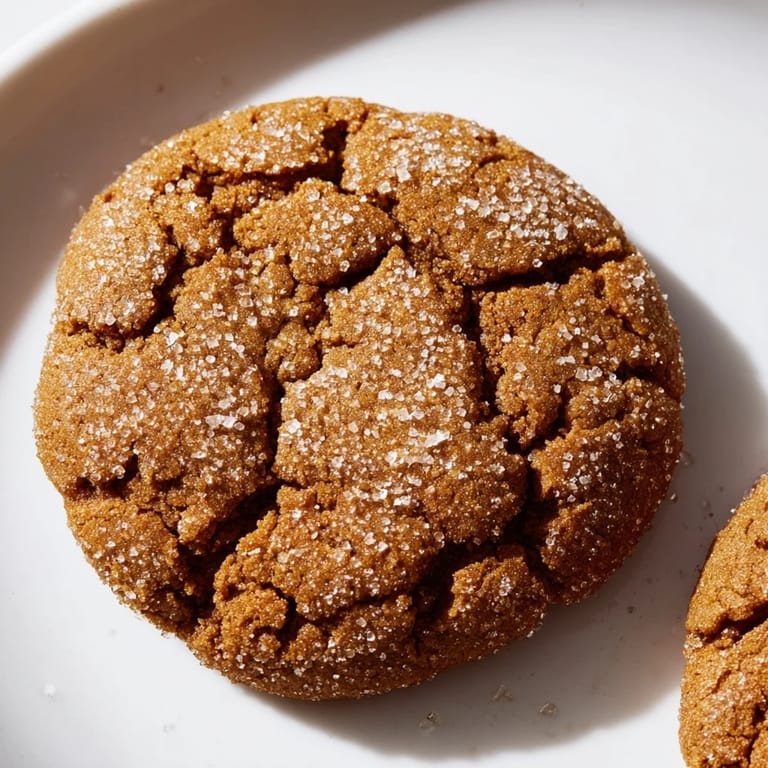
- Scoop tablespoon-sized portions of dough and roll them into balls with your hands, which is messier but more honest than using a cookie scoop. Immediately roll each ball in granulated sugar until fully coated.
- Space them out:
- Place dough balls about 2 inches apart on your prepared baking sheets—they'll spread a little, and you want them to bake, not fuse together.
- Bake with intention:
- Bake for 9-11 minutes, watching for when the edges look set but the centers still look slightly underbaked. This is the secret to chewiness, so trust your instincts and pull them out when the very middle looks a tiny bit soft.
- Cool strategically:
- Let the cookies rest on the baking sheet for 5 minutes—they'll continue cooking slightly and firm up enough to handle without breaking. Then transfer to a wire rack to finish cooling, which prevents them from steaming and getting soggy on the bottom.
 Save
Save There was a moment last year when my eight-year-old nephew bit into one of these cookies and his eyes went wide in that way kids have when they taste something that changes their mind about what dessert even is. He asked if I'd invented them, and I let him think so for just a moment before telling him the truth. He didn't seem disappointed—he just asked if we could make them again next week.
The Science Behind the Chew
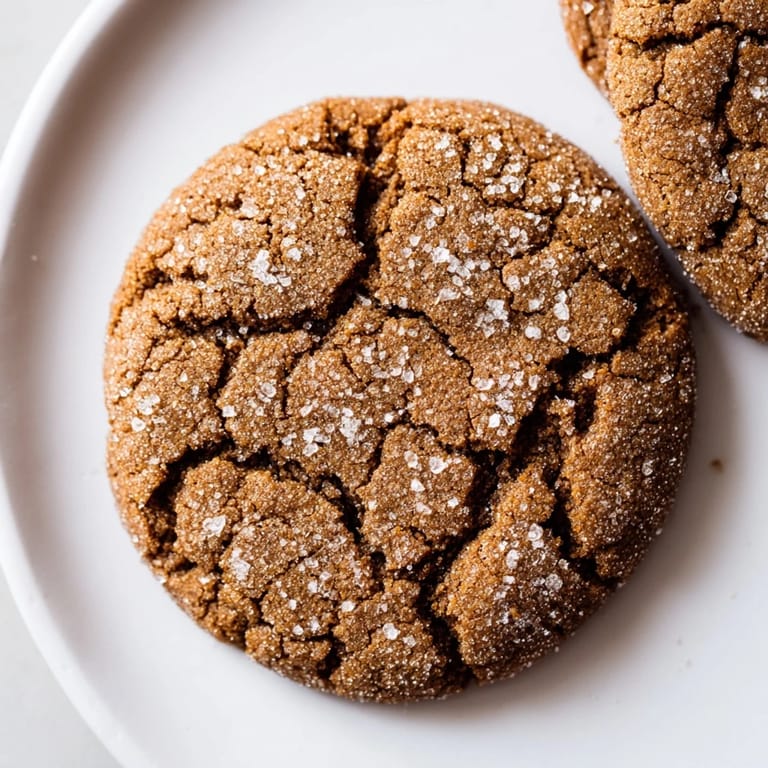
Molasses cookies are chewy because of the combination of brown sugar, which retains moisture, and the relatively short baking time that stops the cookies before they dry out. The underbaking is intentional—it's not impatience, it's chemistry. The residual heat continues cooking them as they cool on the sheet, which means the centers stay tender while the edges crisp up slightly. This balance is what separates these from a typical sugar cookie.
Variations Worth Trying
Once you've made these a few times and they're comfortable in your hands, small changes create entirely different moods. A pinch of black pepper adds an unexpected heat that sneaks up on you. Swapping half the butter for vegetable shortening shifts the texture toward almost cakey. Some people roll the dough in a cinnamon-sugar mix instead of plain sugar, which is beautiful if you're looking for even more spice presence.
Serving and Storage Wisdom
These cookies are best eaten while they still have a whisper of warmth to them, dunked in coffee or tea. They keep for about five days in an airtight container at room temperature, though honestly they rarely last that long. If they do harden, a slice of bread in the container overnight will soften them back up—old baker's trick that actually works.
- Serve them warm with spiced cider or black coffee for a moment that feels intentional.
- Make a double batch and freeze half the dough balls for unexpected fresh-baked cookies later.
- These become even more special if you package a few in a jar with the spices listed—people love receiving them as gifts.
 Save
Save These cookies are the kind you make not because they're complicated or impressive, but because they remind you why you started baking in the first place. They're proof that some of the best things in life don't need fanfare.
Questions & Answers
- → What gives the cookies their chewy texture?
The combination of molasses and slightly underbaking the cookies helps keep them soft and chewy.
- → Can I substitute the butter in this preparation?
Yes, swapping half the butter with vegetable shortening will alter the texture slightly but keeps the cookies tender.
- → What spices are used in these cookies?
Ground ginger, cinnamon, cloves, and nutmeg provide the warm, spiced flavor profile.
- → How should the dough be prepared before baking?
Portion the dough into tablespoon-sized balls, roll them in granulated sugar, and place them spaced apart on parchment-lined sheets.
- → Is there a recommended baking temperature and time?
Bake at 350°F (175°C) for 9–11 minutes until edges are set but centers remain soft for optimal chewiness.
- → Are these treats suitable for specific dietary needs?
They contain wheat, eggs, and dairy, so they fit vegetarian diets but are not suitable for gluten-free or vegan restrictions.