 Save
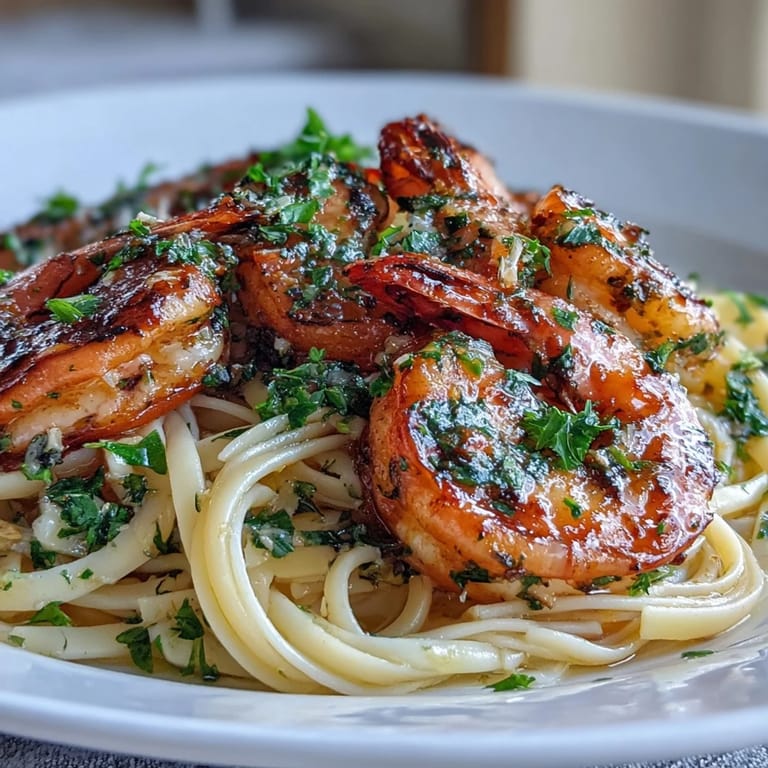
Save The first time I nailed shrimp scampi, I was trying to impress someone who claimed restaurant versions were always better. I stood at the stove, butter sizzling, garlic perfuming the air, convinced I'd overcook the shrimp or drown the pasta. Instead, the linguine came out glossy and perfect, every strand coated in that bright, garlicky sauce. We ate in silence for the first three bites, then they looked up and said, maybe you were right. That quiet victory still makes me smile every time I twirl this dish onto a fork.
I made this on a rainy Wednesday when nothing sounded good except something that felt a little fancy. The kitchen windows fogged up as the pasta boiled, and I remember tasting the sauce straight from the skillet, adjusting the lemon juice until it sang. My neighbor stopped by just as I plated it, and I ended up splitting my serving because the smell had drifted into the hallway. We sat on mismatched stools, twirling linguine and laughing about how some meals just fix the day.
Ingredients
- Large shrimp, peeled and deveined: The star of the dish, they turn sweet and tender in minutes but will go rubbery if you overcook them, so watch closely.
- Linguine: Its flat shape holds sauce beautifully, and cooking it just to al dente means it finishes perfectly when tossed with the shrimp and butter.
- Unsalted butter: You need the richness it brings, and using unsalted lets you control the seasoning without the sauce turning too salty.
- Extra-virgin olive oil: Blending it with butter keeps the fat from burning and adds a fruity depth that pure butter alone would miss.
- Garlic, finely minced: This is not the time to be shy, five cloves create the backbone of flavor, but mince them well so they melt into the sauce.
- Red pepper flakes: Optional but worth it for a gentle kick that balances the butter and brightens the lemon.
- Lemon zest and juice: Fresh is everything here, it cuts through the richness and makes the whole dish feel alive and sunny.
- Fresh parsley, chopped: Not just a garnish, it adds color and a grassy freshness that ties all the flavors together.
- Dry white wine: A crisp wine like Pinot Grigio deglazes the pan and brings acidity that keeps the sauce from feeling flat.
- Salt and freshly ground black pepper: Season as you go, tasting and adjusting, because every batch of shrimp and pasta absorbs seasoning differently.
Tired of Takeout? 🥡
Get 10 meals you can make faster than delivery arrives. Seriously.
One email. No spam. Unsubscribe anytime.
Instructions
- Boil the Pasta:
- Bring a large pot of salted water to a rolling boil and cook the linguine until al dente, following the package time. Before draining, scoop out half a cup of the starchy pasta water, it will help the sauce cling later.
- Prep the Shrimp:
- Pat the shrimp completely dry with paper towels so they sear instead of steam, then season them lightly with salt and pepper. Dry shrimp are the secret to getting a little golden color on the edges.
- Sauté the Aromatics:
- Melt two tablespoons of butter with two tablespoons of olive oil in a large skillet over medium heat, then add the minced garlic and red pepper flakes. Stir constantly for about a minute until the garlic smells incredible but hasn't turned brown, because burnt garlic is bitter and will ruin the sauce.
- Cook the Shrimp:
- Lay the shrimp in a single layer in the skillet and let them cook undisturbed for one to two minutes per side until they turn opaque and pink. Pull them out onto a plate as soon as they are done, they will finish cooking when you toss them back in later.
- Deglaze with Wine and Lemon:
- Pour the white wine and lemon juice into the hot skillet, scraping up all the tasty browned bits stuck to the bottom. Let it simmer for two to three minutes, the alcohol will cook off and the liquid will reduce into a tangy, concentrated base.
- Finish the Sauce:
- Stir in the remaining two tablespoons of butter and one tablespoon of olive oil, swirling the pan until everything melts together into a glossy, silky sauce. This is where the magic happens, the emulsion of fat and wine creates that restaurant quality coating.
- Return the Shrimp:
- Add the cooked shrimp back to the skillet along with any juices that collected on the plate, then toss in the lemon zest and half the chopped parsley. Stir gently so every shrimp gets coated in that bright, garlicky goodness.
- Toss with Linguine:
- Add the drained linguine to the skillet and toss everything together with tongs, adding splashes of reserved pasta water as needed to loosen the sauce. The starch from the pasta water binds everything into a creamy, cohesive dish without any cream at all.
- Serve Immediately:
- Taste and adjust the seasoning with more salt, pepper, or a squeeze of fresh lemon, then plate it up and sprinkle with the remaining parsley. Serve with lemon wedges on the side so everyone can add an extra hit of brightness if they want.
 Save
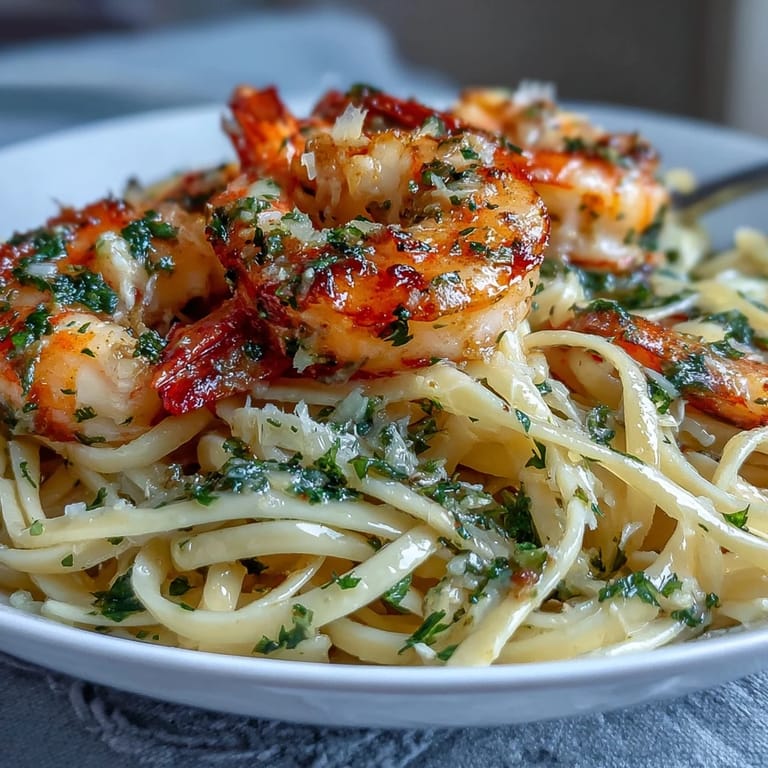
Save One evening, I served this to a friend who insisted she didn't like seafood. She took a cautious first bite, then another, and by the end she was using bread to mop up every drop of sauce left on her plate. She admitted it wasn't the shrimp she'd been avoiding, it was poorly cooked shrimp, and this dish changed her mind completely. Now she requests it every time she comes over, and I never get tired of watching someone fall in love with a recipe I know by heart.
Choosing Your Shrimp
I used to grab whatever shrimp were on sale, but I learned that size and quality matter more than I thought. Large shrimp are easier to sear without overcooking, and buying them already peeled and deveined saves precious minutes when you are hungry. If you can find wild-caught, the flavor is sweeter and cleaner, though good quality frozen shrimp work beautifully too. Just thaw them in the fridge overnight or under cold running water, and make sure they are completely dry before they hit the pan.
Wine Matters More Than You Think
The first time I made scampi, I used cooking wine from a dusty bottle under the sink, and the sauce tasted flat and metallic. Now I use the same crisp white wine I'd actually drink, something like Pinot Grigio or Sauvignon Blanc, and the difference is undeniable. The wine adds acidity and depth, and as it reduces, it concentrates into a flavor you can't fake. If you truly have no wine, a splash of dry vermouth works in a pinch, but avoid anything sweet or the sauce will taste confused.
Storing and Reheating
Shrimp scampi is best enjoyed fresh, but leftovers can be saved in an airtight container in the fridge for up to two days. Reheating is tricky because shrimp toughen quickly, so I gently warm it in a skillet over low heat with a splash of water or broth to loosen the sauce. Avoid the microwave if you can, it turns the shrimp rubbery and the pasta gummy, and nobody wants that.
- Add a drizzle of olive oil and a squeeze of lemon when reheating to bring back the brightness.
- If the pasta seems dry, toss in a spoonful of butter or a splash of white wine to revive the sauce.
- Store shrimp and pasta together so the flavors continue to meld in the fridge.
 Save
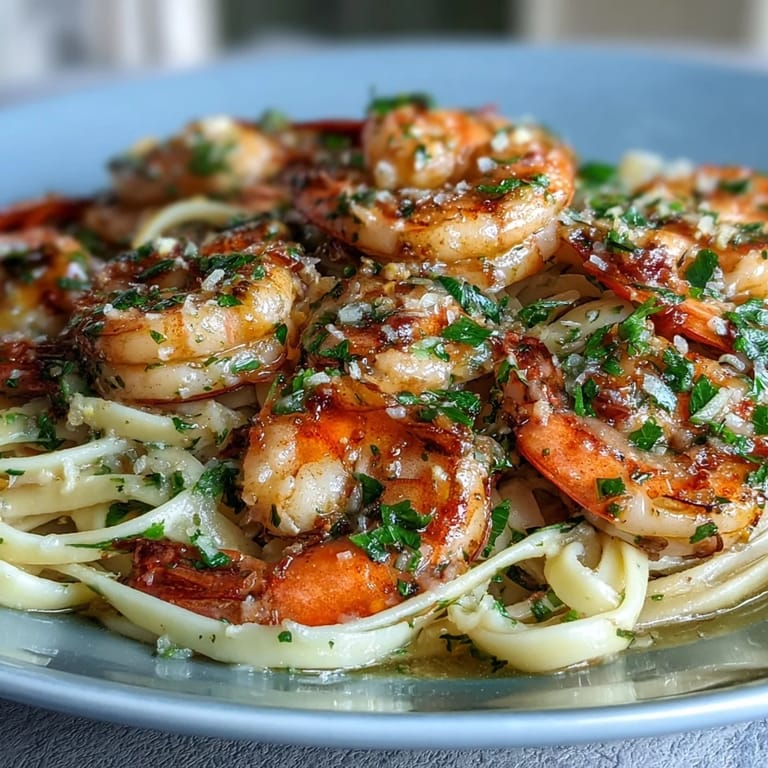
Save This dish has become my go to when I want to feel like I am treating myself without spending all night in the kitchen. It reminds me that the best meals don't have to be complicated, just made with care and good ingredients.
Questions & Answers
- → What type of white wine works best for shrimp scampi?
A dry white wine such as Pinot Grigio, Sauvignon Blanc, or unoaked Chardonnay works beautifully. Avoid sweet wines as they can make the sauce cloying. Choose something you'd enjoy drinking with the meal.
- → How do I prevent the shrimp from becoming rubbery?
Cook shrimp just until they turn pink and opaque, about 1-2 minutes per side. Overcooked shrimp become tough and rubbery. Remove them from heat immediately once cooked and return them to the sauce at the end to warm through.
- → Can I make this dish ahead of time?
This dish is best served immediately for optimal texture. However, you can prep ingredients in advance by peeling shrimp, mincing garlic, and chopping parsley. Cook just before serving to ensure the pasta stays tender and shrimp remain succulent.
- → What can I substitute for linguine?
Spaghetti, fettuccine, angel hair, or even penne work well as substitutes. For a lighter option, try zucchini noodles or gluten-free pasta. Adjust cooking times based on the pasta shape you choose.
- → Why reserve pasta water before draining?
Starchy pasta water helps create a silky, cohesive sauce that clings beautifully to the noodles and shrimp. Add it gradually to achieve your desired sauce consistency without making it too thin.
- → Can I add vegetables to this dish?
Absolutely! Cherry tomatoes, asparagus, spinach, or broccoli make excellent additions. Add heartier vegetables when sautéing the garlic, or toss in delicate greens at the end with the pasta.