 Save
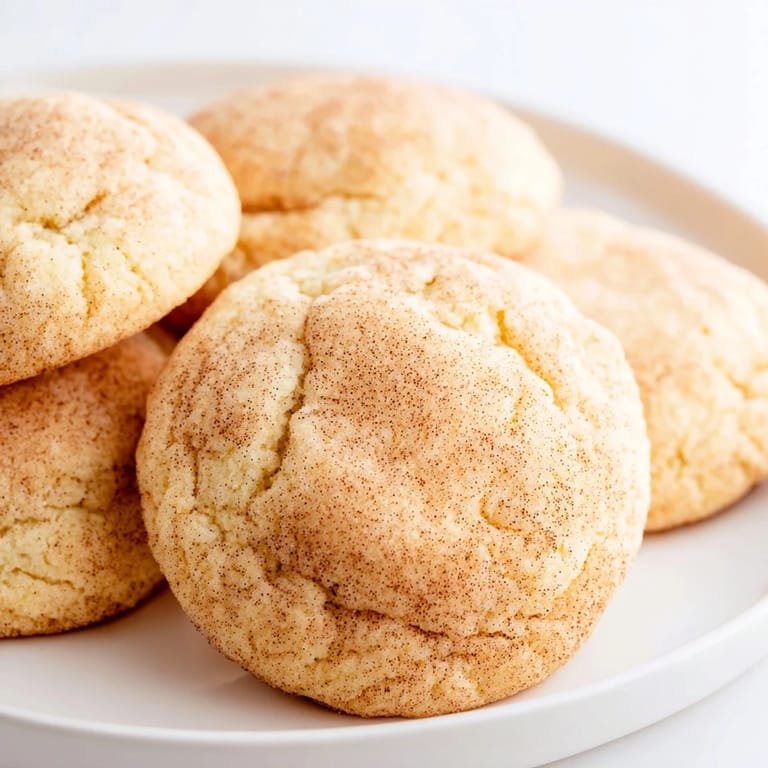
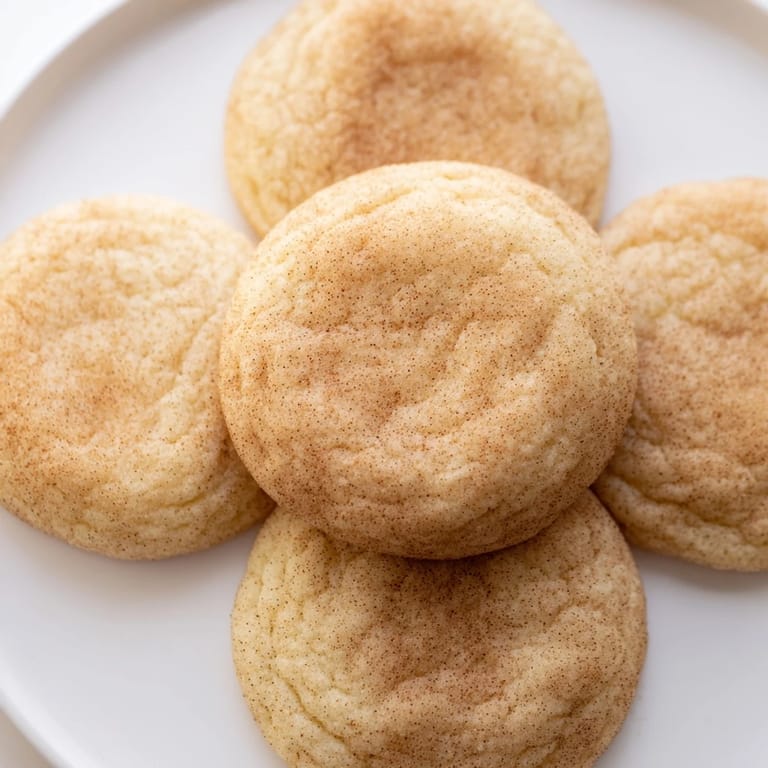
Save There's something about the smell of cinnamon and butter hitting a warm kitchen that makes everything feel instantly slower, gentler. I discovered snickerdoodles years ago at a friend's holiday party, but it wasn't until I made them myself that I understood the magic—that perfect balance between crispy edges and a soft, almost pillowy center. The cream of tartar was the revelation, that subtle tang hiding underneath the cinnamon sugar that makes people pause mid-bite and ask what's different about these cookies. Now they're the first thing I reach for when I need to feel like I'm actually taking care of someone, even if it's just myself on a Tuesday afternoon.
I once made a double batch for my neighbor who had just moved in, and I watched her face change the moment she bit into one. She came back three days later asking for the recipe because her kids had already demolished the box. That's when I realized these aren't just cookies—they're the kind of thing that makes people feel seen and welcomed.
Ingredients
- All-purpose flour (2 3/4 cups): This is your structure—don't skip the weighing if you can help it, because scooping adds too much flour and makes dense cookies.
- Cream of tartar (2 teaspoons): This is the secret. It sounds weird, but it's what gives snickerdoodles their distinctive slight tang and tender crumb.
- Baking soda (1 teaspoon): Works with the cream of tartar to create lift and that beautiful crackle on top.
- Salt (1/2 teaspoon): A pinch of salt makes the sweet parts actually taste like something.
- Unsalted butter (1 cup), softened: Room temperature is non-negotiable here—cold butter won't cream properly and you'll end up with dense, sad cookies.
- Granulated sugar (1 1/2 cups): This sweetens the dough and helps create that tender texture.
- Large eggs (2): They bind everything together and add moisture—bring them to room temperature too if you have time.
- Pure vanilla extract (1 teaspoon): The real stuff matters; artificial vanilla tastes hollow against the cinnamon.
- Cinnamon sugar coating (1/4 cup sugar mixed with 2 teaspoons cinnamon): This is where the magic happens on the outside—don't be stingy with it.
Tired of Takeout? 🥡
Get 10 meals you can make faster than delivery arrives. Seriously.
One email. No spam. Unsubscribe anytime.
Instructions
- Heat your oven and prep:
- Set the oven to 375°F and line two baking sheets with parchment paper. This temperature is precise—too hot and the edges burn before the middle sets.
- Mix your dry base:
- Whisk the flour, cream of tartar, baking soda, and salt in a medium bowl. The cream of tartar will have tiny lumps sometimes, so press them out as you whisk.
- Cream butter and sugar:
- In a large bowl, beat the softened butter with 1 1/2 cups of sugar for about 2–3 minutes until it's light, fluffy, and noticeably pale. This is where air gets trapped, which makes soft cookies.
- Add eggs and vanilla:
- Beat in each egg one at a time, waiting for each one to disappear into the mixture before adding the next. Then mix in the vanilla until everything is combined.
- Fold in the dry ingredients:
- Add the flour mixture gradually, mixing until just combined. Overmixing develops gluten and makes tough cookies, so stop as soon as you don't see streaks of flour.
- Make your coating:
- Stir together 1/4 cup sugar and 2 teaspoons of cinnamon in a small bowl. This is your flavor moment.
- Shape and coat:
- Scoop tablespoon-sized portions of dough with a small spoon, roll them into balls, then roll each ball in the cinnamon sugar until completely coated. Don't be shy with the coating.
- Space them properly:
- Place the balls about 2 inches apart on the baking sheets. They'll spread slightly, so give them room.
- Bake to perfect softness:
- Bake for 9–11 minutes, until the edges are just set but the centers still look slightly underdone and soft. They'll continue cooking on the hot baking sheet after you remove them from the oven.
- Cool in two stages:
- Leave them on the baking sheet for 5 minutes to firm up enough to transfer, then move them to a wire rack to cool completely. This ensures the outside sets while the inside stays pillowy.
 Save
Save I remember my daughter asking why these tasted different from store-bought snickerdoodles, and I realized it was because they were made with actual care instead of shelf stability in mind. Once you taste a homemade snickerdoodle, there's no going back.
The Secret of Cream of Tartar
Cream of tartar is an acid byproduct from winemaking, and it's what separates snickerdoodles from just regular sugar cookies. It reacts with the baking soda to create a specific type of crumb structure that's tender and slightly tangy, almost like the cookie is whispering something sophisticated underneath all that cinnamon sugar. I tried making these once without it, thinking it wouldn't matter, and the cookies tasted flat and forgettable. That was the moment I understood that every ingredient in this recipe has a job.
Texture and Timing
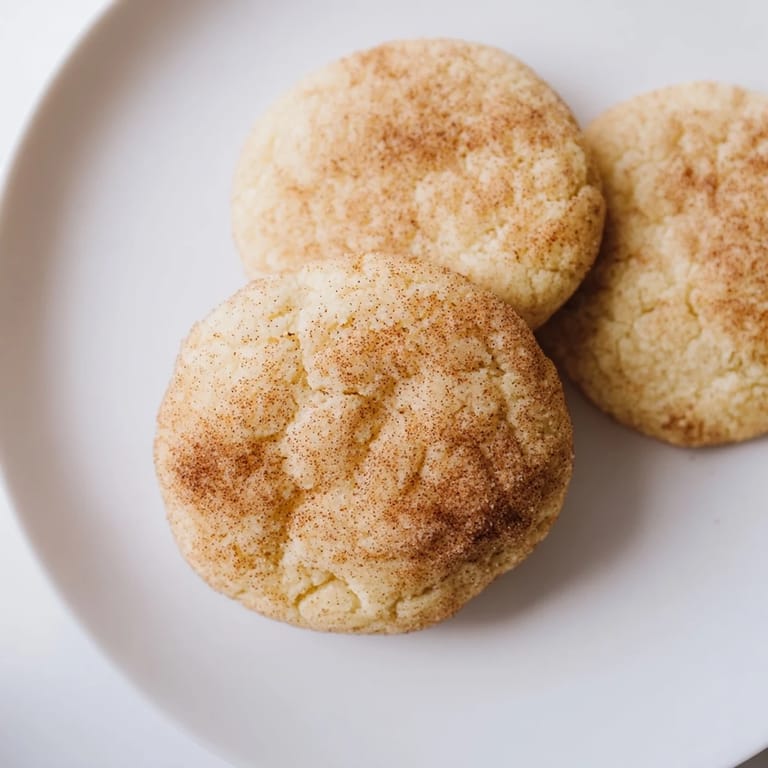
The magic window is real. Bake these for 9 minutes and they're borderline underdone, which sounds scary but isn't—they keep setting on the warm pan and cool into perfect softness. Bake them for 11 minutes and they're still good, but you've lost that pillow-like quality that makes people remember them. It's one of those cooking moments where experience teaches you that done doesn't always mean what it looks like while the timer's still running.
Variations and Thoughts
I've played with these in different ways depending on the season and my mood. Sometimes I underbake them dramatically and they're almost gooey in the center, which is wonderful with coffee. Other times I've substituted half the butter with shortening and gotten this wonderfully puffy texture that's almost cake-like. The dough is forgiving enough to let you experiment, and that's rare in baking.
- For extra softness that lasts, make sure to cool them completely before sealing them in an airtight container—this locks in the moisture.
- If you want a deeper cinnamon flavor, toast the cinnamon-sugar coating in a dry pan for 30 seconds before rolling the dough balls in it.
- These keep for up to 5 days in an airtight container, though in my experience they rarely last that long.
 Save
Save These cookies feel like coming home, even if you're making them for the first time. Serve them warm with coffee, with tea, or with a glass of cold milk—or just eat them standing in your kitchen while they're still slightly warm and wondering how you forgot they were this good.
Questions & Answers
- → What gives the cookies their signature tang?
The tangy flavor comes from cream of tartar added to the dry ingredients, which also helps create a soft texture.
- → How can I make the cookies extra soft?
For extra softness, slightly underbake the cookies and allow them to cool completely before storing.
- → Can I substitute any ingredients for different texture?
Yes, replacing half the butter with shortening results in a puffier texture.
- → What is the best way to store these cookies?
Store the cookies in an airtight container for up to five days to maintain freshness.
- → What pairs well with these cookies?
These cookies are delicious alongside coffee, tea, or a cold glass of milk.
- → Are there common allergens in these cookies?
They contain wheat (gluten), eggs, and dairy from butter, so check ingredients if you have sensitivities.